
Real estate is one of those terms that everyone uses, but few stop to really dissect. When most people hear “real estate,” they immediately picture a house with a “For Sale” sign in the front yard. But if you are looking to build wealth, start a career in the industry, or simply understand how the world around you is built, you need to look closer.
As an investor or a buyer, understanding the distinct categories of real estate is your first step toward making smart decisions. In this guide, we are going to break down the four primary pillars of the industry: Residential, Commercial, Industrial, and Land
Residential
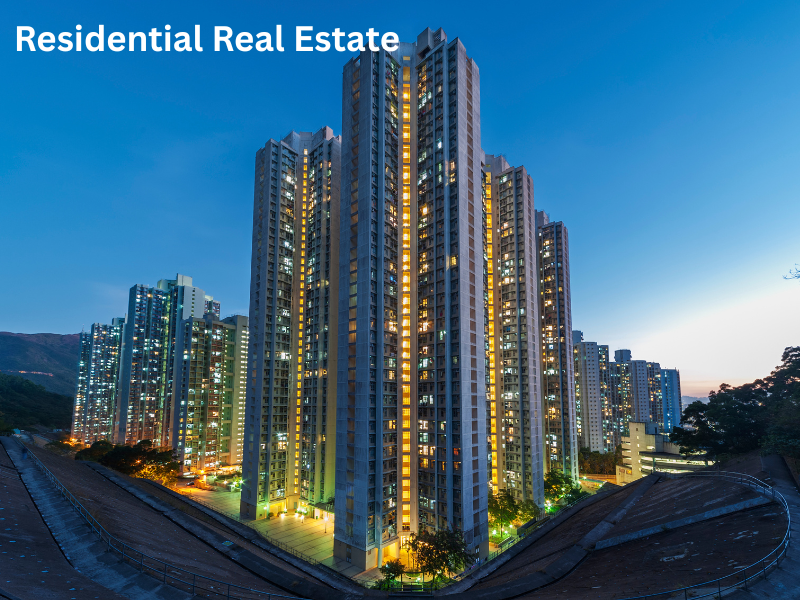
As a Human being we all want our own house for our family. It’s where we live, sleep, and make memories. But from an investment and business perspective, residential real estate is a dynamic beast with various subcategories.
What Defines Residential Real Estate?
At its core, residential real estate includes both new construction and resale homes geared for individual or family occupancy. It is the most common type of real estate and is often the asset class where new investors cut their teeth because it is easier to understand and finance.
The Different Flavors of Residential Living
When we talk about “Residential Projects,” we aren’t just talking about the quintessential suburban house. The landscape is diverse:
• Single-Family Homes: The classic detached house. It offers privacy and usually comes with its own land.
• Apartments and Flats: These are units within a larger building. In high-density cities, these are the lifeblood of the market. They can range from affordable 2BHK apartments to luxury penthouses.
• Condominiums (Condos): Similar to apartments, but usually owned individually rather than rented from a single landlord.
• Townhouses and Row Houses: These are individual houses that are attached to one another by a common wall. They offer a middle ground between apartment living and single-family privacy.
• Multi-Generational Homes: A rising trend, especially in markets where families prefer to stay together, involving larger layouts designed to house parents, children, and grandparents under one roof.
Why Invest Here?
Residential projects are considered as “Svarga in Sanskrit” by many. People always need a place to live, regardless of how the stock market is performing.
• Consistent Demand: The need for shelter is universal.
• Easier Financing: Banks are generally more willing to lend money for homes than for complex commercial endeavors.
• Emotional Connection: Selling a home is about selling a lifestyle, which allows for creative marketing and higher emotional buy-in from customers.
Pro Tip: When looking at residential projects, always prioritize future infrastructure. A residential project might look isolated today, but if a metro line is planned nearby in five years, your property value could skyrocket.
Commercial Project
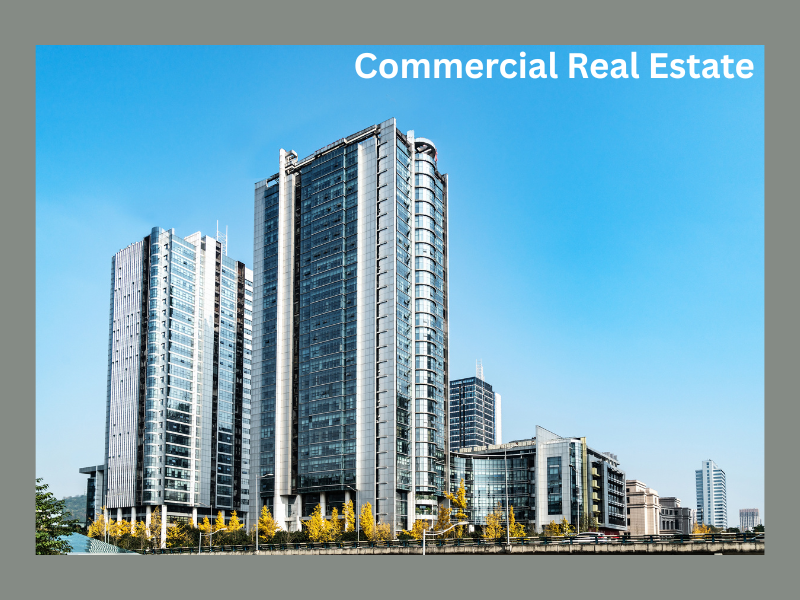
If residential real estate is about living, commercial real estate (CRE) is about earning.
These are properties used exclusively for business-related purposes or to provide a workspace rather than a living space.
The Power of Commercial Real Estate
Commercial projects are the heavy hitters of the investment world. While they often require more capital to enter, the returns or yields are typically higher than residential properties.
Types of Commercial Spaces
1. Office Spaces: From massive skyscrapers in the city canter to suburban office parks. This category has evolved significantly post-pandemic, with a shift toward flexible, co-working style spaces.
2. Retail: This includes everything from your local grocery store and strip malls to massive shopping centres and high-street fashion outlets. Retail real estate relies heavily on foot traffic and visibility.
3. Hospitality: Hotels, resorts, and motels fall under this umbrella. Unlike other leases which are long-term, hospitality sells its space by the night, making it highly sensitive to economic fluctuations and tourism trends.
4. Mixed-Use Developments: These are the modern trendsetters. A mixed-use project might have retail shops on the ground floor, offices on the middle floors, and residential apartments on the top. They create self-sustaining mini-communities.
The Lease Game
One of the biggest differences between residential and commercial projects is the lease structure.
• Longer Leases: A typical residential lease is 11 months to a year. A commercial lease can run for 5, 10, or even 20 years. This provides incredible stability for the property owner.
• Triple Net Leases (NNN): In many commercial deals, the tenant (not the landlord) pays the building’s real estate taxes, property insurance, and maintenance costs. This can make CRE a truly passive income source for investors.
Marketing Insight: When selling or leasing commercial projects, you aren’t selling “coziness.” You are selling ROI, footfall, and visibility. Your content needs to speak to the business owner’s bottom line.
Industrial Plots
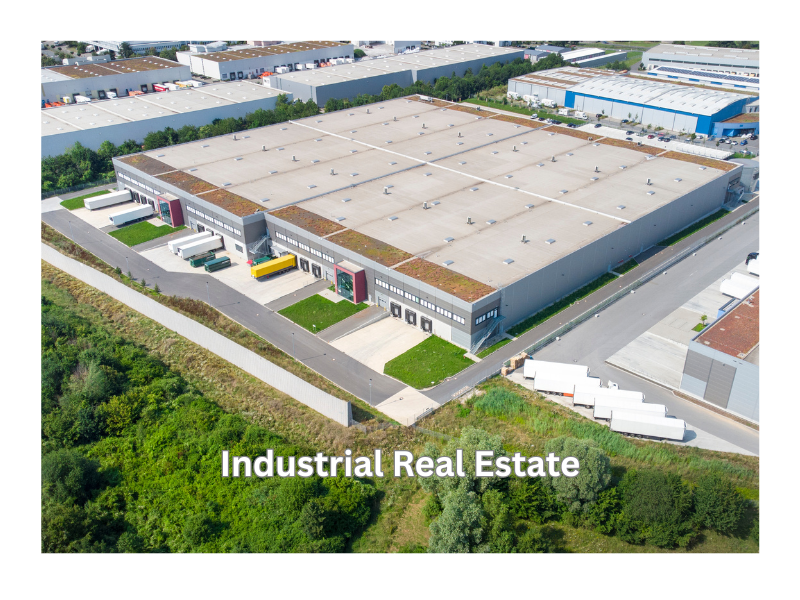
Often the unsung hero of the real estate world, industrial real estate has exploded in value over the last decade, largely thanks to the rise of e-commerce. Every time you order something online, it passes through a network of industrial properties.
What Counts as Industrial?
Industrial real estate refers to lands and buildings used for industrial purposes like manufacturing, production, distribution, and storage. While it lacks the glamour of a luxury high-rise, it makes up for it in utility and consistent returns.
Key Categories
• Manufacturing: These are heavy-duty facilities. Think of automobile assembly plants or chemical processing units. They often require specific zoning laws and heavy power/water supplies.
• Warehouse: These are the massive fulfilment centres used by companies like Amazon or Flipkart. They are all about location specifically, proximity to highways, airports, and shipping ports.
• Hybrid Spaces: A Combination of office and industrial space. A tech company might use the front for offices and the back for R&D or light assembly.
• Cold Storage: Specialized warehouses with temperature control, essential for the food and pharmaceutical industries.
Why Industrial Plots are Hot
Industrial plots generally have lower maintenance costs than office or retail spaces. A warehouse is essentially four walls and a roof; there are no fancy lobbies to maintain or elevators to fix constantly. Furthermore, tenants tend to stay for a very long time because moving heavy machinery or dismantling a logistics hub is incredibly expensive. For investors, industrial plots offer a “set it and forget it” style of income, provided the location is logistically sound.
Lands
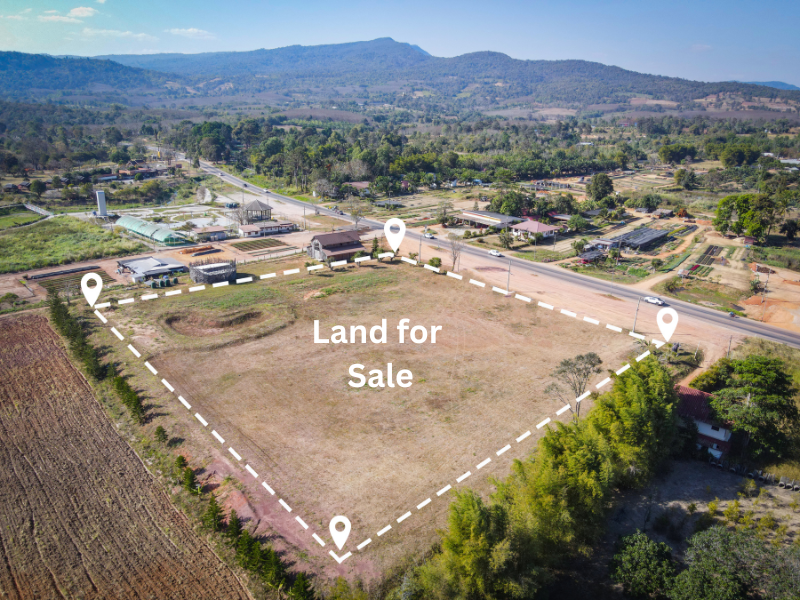
Finally, we arrive at the rawest form of real estate: Land. It is the canvas upon which all other real estate types are painted. As the famous saying goes, “Buy land they aren’t making it anymore.”
Understanding Land Investments
Land is distinct from the other categories because it typically does not generate income immediately (unless leased for farming). It is primarily a capital appreciation play. You buy it, hold it, and wait for the value to go up as the city expands toward it.
Types of Land
1. Agricultural Land: Used for farming, ranching, or timber. In many countries, this land is heavily regulated and cannot be easily converted for building projects without government approval.
2. Vacant Land / Raw Land: Unimproved land with no established structures or utilities. This is a high-risk, high-reward investment. If you buy raw land and the city brings sewage and electricity to the area, your land value multiplies instantly.
3. Infill Land: A vacant plot within an already developed area. These are rare and highly valuable because the infrastructure is already in place.
The Risks and Rewards
Investing in land requires patience and vision.
• No Cash Flow: Unlike a rented apartment or office, raw land doesn’t pay you rent every month. In fact, it costs you money in property taxes.
• Zoning Issues: You might buy a plot hoping to build a shopping complex, only to find out the government has zoned it strictly for agriculture. Due diligence is critical here.
• High Appreciation: Despite the lack of cash flow, land often sees the highest percentage increase in value over 10-20 years compared to build properties.
The “Land Bank” Strategy: Many wealthy investors buy land on the outskirts of growing cities and sit on it for decades. This “land banking” creates generational wealth once urbanization catches up to the plot.
FAQs
1. Which type of real estate is best for beginners?
Ans: Generally, Residential Real Estate is the best entry point. It is easier to understand, requires less capital than commercial projects, and banks offer more favourable loan terms for first-time buyers.
2. Is commercial real estate riskier than residential?
Ans: Yes and no. Commercial real estate is more sensitive to economic downturns. If the economy crashes, businesses close, and your office building might sit empty. However, the leases are longer, providing stability during normal times. It is a “higher risk, higher reward” scenario.
3. Can I build a house on an Industrial Plot?
Ans: Usually, the answer is no. Zoning laws are very strict. Industrial zones are designated for noise, heavy traffic, and manufacturing, which makes them unsuitable (and legally restricted) for residential living. You would need to apply for a “change of land use,” which is a long and difficult bureaucratic process.
4. What is the difference between “Land” and “Industrial Plots”?
Ans: Think of “Land” as the raw material and “Industrial Plots” as a designated product. “Land” could be anything—farmland, a forest, or a desert. An “Industrial Plot” is a piece of land that has specifically been zoned and permitted by the local government for industrial use.
5. How do I finance raw land?
Ans: Financing land is harder than financing a house. Lenders consider land risky because there is no home to act as collateral. You typically need a larger down payment (often 30-50%) and will pay a higher interest rate compared to a home loan.