
Carpet area refers to the net usable floor space inside a residential or commercial property. In simple terms, it is the area where you can actually lay a carpet and use the space freely.
When buying a home or investing in real estate, you’ll often come across terms like carpet area, built-up area, and super built-up area. Among these, carpet area is the most important one for homebuyers because it tells you the actual usable space inside a property.
It includes:
- Bedrooms
- Living rooms
- Dining areas
- Study rooms
- Internal walls and passages
It does not include:
- Balconies
- Verandas
- Open terraces
- External walls
- Common areas like lifts, staircases, and lobbies
So, when you hear “carpet area,” think of it as the real, functional space you live in.
Why Carpet Area Is Important for Homebuyers
Carpet area plays a crucial role in determining the true value of a property. Many buyers focus only on the total square footage mentioned in ads, without realizing that the usable area may be much smaller.
Helps You Understand Actual Living Space
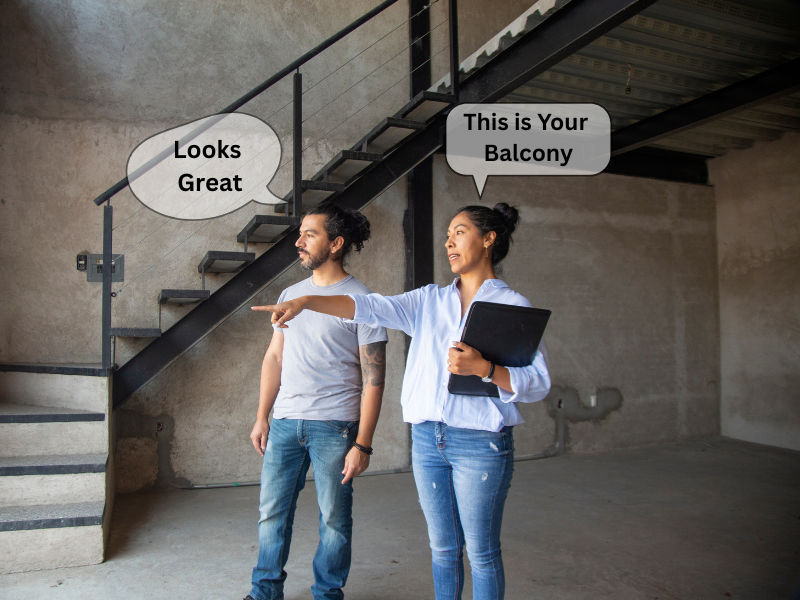
A flat may be advertised as 1,200 sq. ft., but the carpet area might only be 850 sq. ft. Carpet area tells you how much space you actually get to use daily.
Makes Property Comparison Easier
When comparing two properties, carpet area provides a fair and accurate comparison. Two apartments with the same built-up area may have very different carpet areas.
Ensures Transparent Pricing
Since the price per square foot is often calculated based on carpet area, knowing it helps buyers avoid overpaying and ensures better transparency.
Carpet Area as Defined Under RERA
The Real Estate (Regulation and Development) Act, 2016 (RERA) made carpet area a legally defined and mandatory term in property transactions.
RERA Definition of Carpet Area
According to RERA, carpet area is:
The net usable floor area of an apartment, excluding the area covered by external walls, areas under service shafts, exclusive balcony or verandah area, and exclusive open terrace area, but including the area covered by internal partition walls.
This definition protects buyers from misleading claims and ensures uniformity across real estate projects.
What Is Included in Carpet Area?
Understanding what forms part of carpet area helps buyers plan their space better.
Internal Rooms and Spaces
All enclosed rooms such as:
- Bedrooms
- Living and dining rooms
- Kitchen
- Bathrooms
- Store rooms
Internal Walls
Unlike older definitions, RERA includes internal partition walls in carpet area, which gives a more realistic measurement of usable space.
What Is Not Included in Carpet Area?
Several areas are excluded from carpet area because they are either shared or open spaces.
Balconies and Verandas
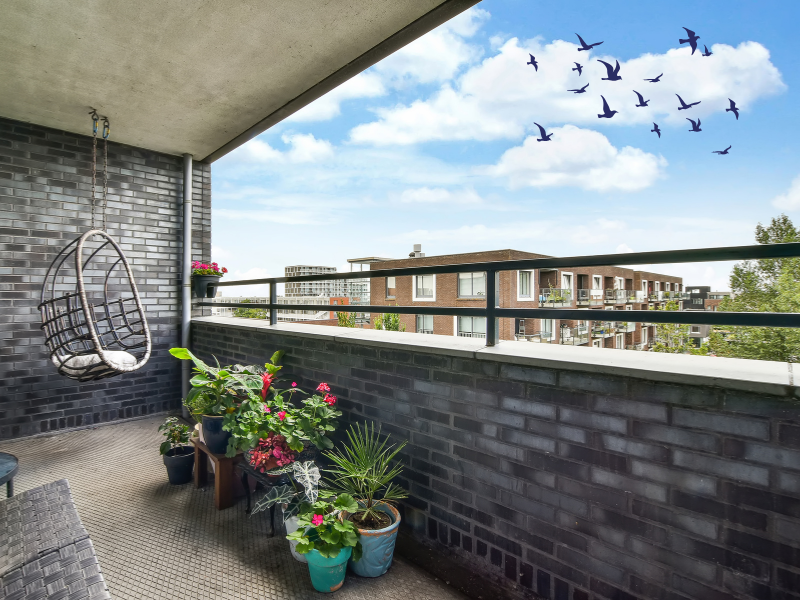
Even if they are for exclusive use, balconies and verandas are not counted in carpet area.
External Walls
The thickness of external walls is excluded since it does not contribute to usable floor space.
Common Areas
Shared facilities like:
- Staircases
- Elevators
- Lobbies
- Clubhouse areas
These do not form part of carpet area.
Comparison between Carpet Area, Built-Up Area, and Super Built-Up Area
Many buyers get confused between these three terms. Let’s simplify them.
Carpet Area vs Built-Up Area
Built-up area includes:
- Carpet area
- Internal and external walls
- Balconies
Built-up area is usually 10–20% more than carpet area.
Carpet Area vs Super Built-Up Area
Super built-up area includes:
- Built-up area
- Common areas like lifts, corridors, and amenities
This is the largest measurement and often used by builders for pricing, which can be misleading.
Quick Comparison
| Type of Area | What It Includes |
| Carpet Area | Usable living space |
| Built-Up Area | Carpet area + walls + balconies |
| Super Built-Up Area | Built-up area + common areas |
How to Calculate Carpet Area

Calculating carpet area is simple if you know what to include.
Step-by-Step Method
- Check the length and width of each room
- Multiply to find individual room areas
- Add all room areas together
- Include internal walls
- Exclude balconies and external walls
Example Calculation
If your apartment has:
- Living room: 200 sq. ft.
- Bedroom 1: 150 sq. ft.
- Bedroom 2: 140 sq. ft.
- Kitchen & bathrooms: 160 sq. ft.
Total carpet area = 650 sq. ft.
How Carpet Area Impacts Property Price
Carpet area directly affects how much you pay for a property.
Price Per Square Foot
Most developers calculate cost per square foot based on carpet area. A larger carpet area means more usable space and better value.
Long-Term Value
Properties with efficient layouts and higher carpet area tend to have:
- Better resale value
- Higher rental demand
- More buyer interest
Common Misconceptions About Carpet Area
Even experienced buyers sometimes misunderstand carpet area.
Bigger Flat Means Bigger Carpet Area
Not always. Poor planning and thick walls can reduce usable space significantly.
Balcony Space Is Carpet Area
Balconies are excluded, even if they are for private use.
All Builders Calculate Carpet Area the Same Way
Before RERA, definitions varied. Now, RERA has standardized it, but buyers should still verify measurements.
Tips for Buyers Before Finalizing a Property
To make a smart purchase, always focus on carpet area.
1. Ask for RERA-Approved Details
Ensure the carpet area mentioned matches the RERA registration documents.
2. Visit the Site Personally
Physically experiencing the space gives a better understanding than brochures or floor plans.
3. Compare Price Based on Carpet Area
This gives a more accurate picture of value than super built-up area pricing.
Final Thoughts on Carpet Area
Carpet area is one of the most important factors in real estate decision-making. It represents the actual usable space you pay for and live in every day. With RERA bringing transparency, buyers today are better protected, but awareness is still key.
Before buying any property, always ask one simple question:
“What is the carpet area?”
That answer can save you money, confusion, and future regret.