
The debate of Residential vs. Commercial Real Estate is the classic “Apple vs. Android” argument of the investment world. Both have loyalists, both have distinct advantages, and both can make you wealthy if you know what you’re doing.
But how do you choose? Do you want the stability of renting out homes to families, or the high-stakes, high-reward game of leasing office space to businesses? In this guide, we are going to break down the nitty-gritty differences, the pros and cons, and the “human” side of managing these properties, so you can decide where to park your hard-earned capital.
Understanding the Basics: What Are We Comparing?
Before we dive into the financials, let’s clear up exactly what these terms mean. It sounds simple, but the distinctions define your entire business model.
Defining Residential Real Estate
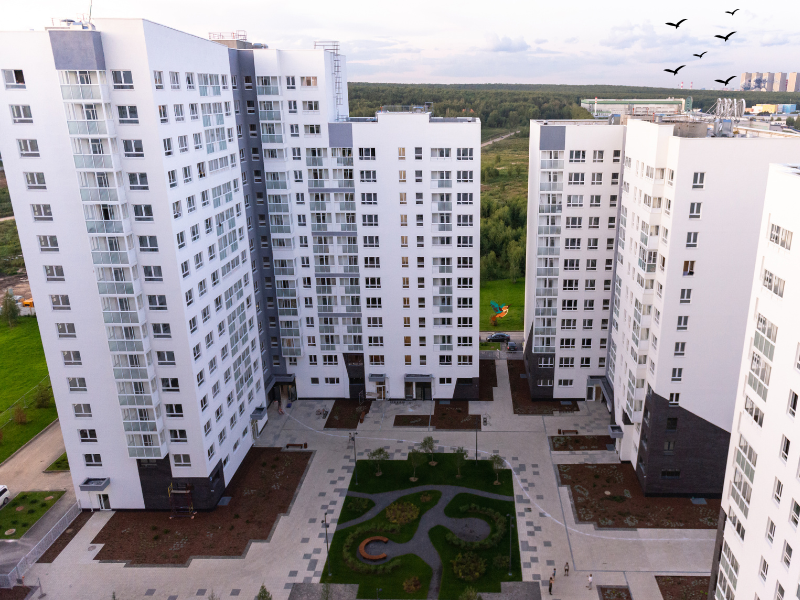
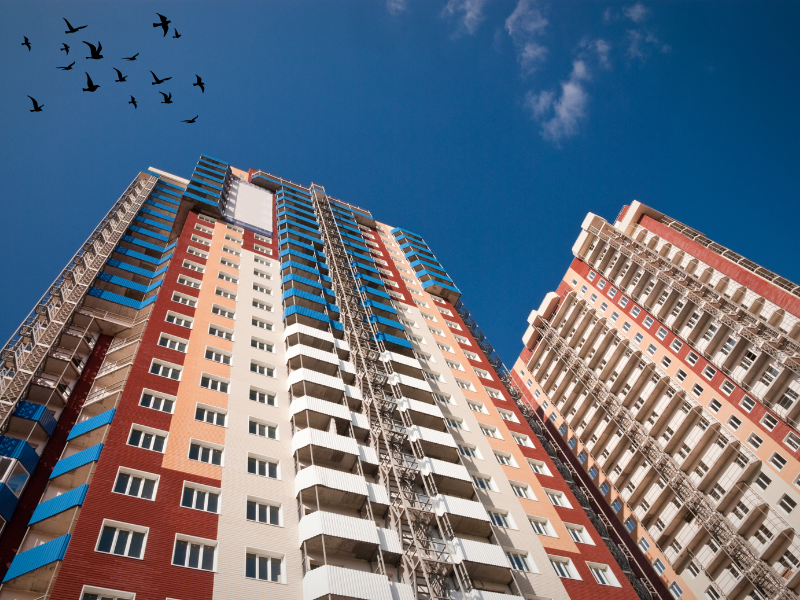
Residential real estate is exactly what it sounds like: housing. It includes properties designated for people to live in. This category is broad, ranging from single-family detached homes (the classic American dream) to duplexes, triplexes, townhouses, and even small apartment complexes (usually under five units).
When you invest here, your “customers” are individuals and families. Their needs are emotional and personal. They want safety, good schools, and a leaky faucet fixed yesterday.
Defining Commercial Real Estate (CRE)
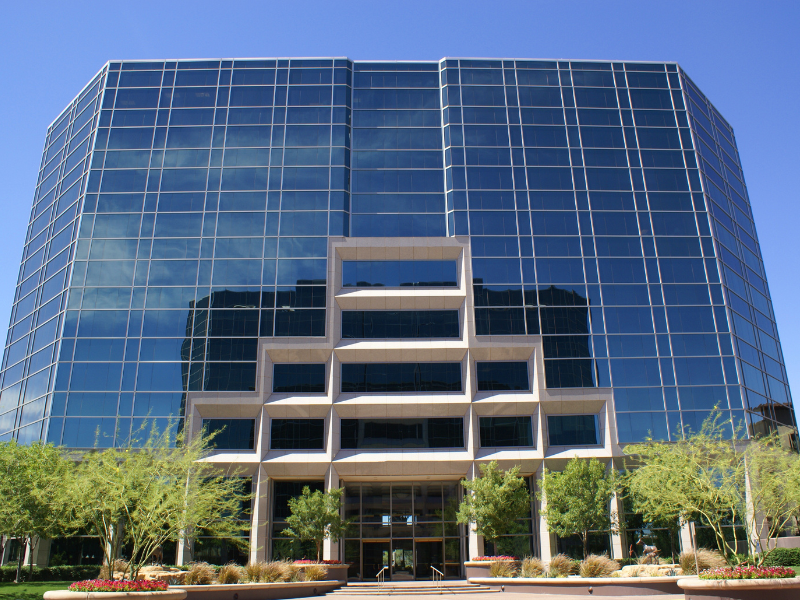
Commercial real estate includes buildings and spaces meant for business operations or work purposes rather than homes. This includes office buildings, retail spaces (like strip malls or standalone shops), industrial warehouses, hotels, and large apartment complexes (multi-family units).

Here, your tenants are businesses. Their needs are purely logical and financial. They want foot traffic, visibility, and a lease that helps their bottom line.
The Case for Residential Real Estate
For most first-time investors, residential property is the gateway drug. It feels safer and more familiar because we all live in homes; we understand the product.
Lower Barrier to Entry
You don’t need millions in the bank to buy a residential property. With lower down payment requirements and accessible financing options (like conventional bank loans), an average individual can buy a rental property much easier than an office tower. If you can buy a house for yourself, you can generally buy one to rent out.
Consistent Demand
No matter what happens to the economy whether the stock market crashes or a pandemic hits people always need a place to sleep. The demand for housing is inelastic. While businesses might go bankrupt and close their offices during a recession, a family will prioritize paying rent to keep a roof over their heads. This makes residential real estate a remarkably stable asset class during economic downturns.
The “Human” Factor (Pros and Cons)
In residential real estate, you are dealing with people’s lives. This can be rewarding, but it’s also emotional.
- The Good: You build relationships. A good tenant might stay for years because they love the neighborhood.
- The Bad: You get the 2:00 AM phone calls. If the toilet breaks or the heater dies, it’s your problem, and it needs fixing immediately. Emotional tenants can also be unpredictable; disputes can get personal very quickly.
The Case for Commercial Real Estate
If residential is the steady tortoise, commercial real estate is often the hare faster, bigger, but sometimes riskier. This is where professional investors often migrate once they have built up some capital.
Higher Income Potential

The returns on commercial properties are generally higher. While residential properties might yield a 4% to 6% return on investment, commercial properties often sit in the 6% to 12% range. Why? Because you are taking on more risk, and businesses generally pay more per square foot than a family does.
Professional Tenant Relationships
This is a massive draw for many investors. In commercial real estate, you are dealing with business owners. The relationship is B2B (Business to Business). They generally stick to “business hours.” You aren’t likely to get a call at midnight because a lightbulb went out; the business usually handles minor maintenance themselves or calls a facility manager during the day.
Longer Lease Terms
This is the holy grail of stability. Residential leases typically run for 12 months. That means every year, you face the risk of vacancy and the hassle of finding a new tenant.
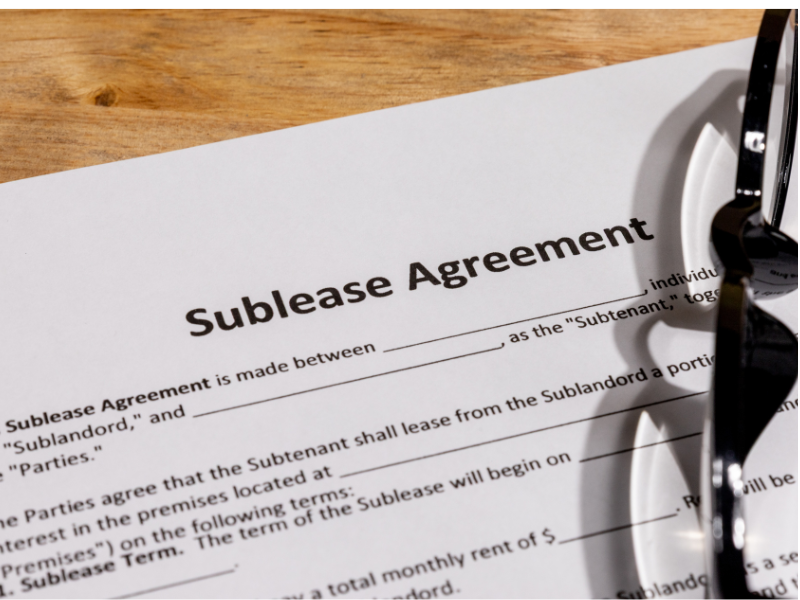
Commercial leases, however, are long typically 3, 5, or even 10 years. Once you sign a tenant, you have a guaranteed stream of income for a significant portion of a decade. This stability makes cash flow forecasting much easier.
Critical Differences You Need to Know
To make an informed choice, you need to look at how these two sectors operate differently in day-to-day management and financials.
Lease Structures and Expenses
The way money flows in these two sectors is fundamentally different.
- Residential (Gross Lease): typically, the landlord pays for all property expenses (taxes, insurance, maintenance) out of the rent collected. If property taxes go up, your profit goes down until you can raise the rent.
- Commercial (Triple Net Lease – NNN): This is common in commercial deals. In a Triple Net Lease, the tenant pays the base rent plus all property expenses: real estate taxes, building insurance, and maintenance. If taxes go up, the tenant pays the difference, not you. This protects your net income significantly.
Vacancy Risks
This is where commercial real estate can be scary. If a tenant leaves a single-family home, you can usually spruce it up and find a new family within a month or two. The market is huge.
If a commercial tenant leaves say, a customized dental office or a large warehouse it can take months or even years to find a suitable replacement. You need a specific type of business to fill that specific space. During that vacancy, you are covering the mortgage with zero income. You need deep pockets to weather vacancies in CRE.
Valuation Methods
How much is the property worth?
- Residential: Value is determined by “comps” (comparable sales). If the house next door sold for $300,000, yours is likely worth around the same, regardless of how much rent you collect.
- Commercial: Value is determined by income. It’s strictly math. The value is calculated based on the Net Operating Income (NOI) the property generates divided by the market cap rate. If you can increase the income the building generates, you instantly force an increase in the property’s value.
Which Investment Fits Your Personality?
Choosing between residential and commercial isn’t just about math; it’s about lifestyle and temperament.
Choose Residential If…
- You are just starting out: You have limited capital and want to learn the ropes.
- You are risk-averse: You want an asset that performs well even in recessions.
- You are hands-on: You don’t mind managing repairs or interacting with tenants personally (or you are willing to hire a property manager).
- You want liquidity: It is much easier and faster to sell a house than a commercial building if you need to cash out.
Choose Commercial If…
- You have significant capital: You have a larger down payment ready (often 30%+) or access to private money.
- You want passive income: You prefer triple-net leases where the tenant handles the headaches.
- You want scalability: You want to add significant value to your portfolio quickly by increasing rents and forcing appreciation.
- You can handle dry spells: You have enough cash reserves to survive a 6-month vacancy without panicking.
The Verdict
There is no “better” option, only the option that fits your current goals. Many successful investors follow a graduation path: they start with residential properties to build equity and learn the game, and then “1031 exchange” (a tax-deferred swap) their way into larger commercial deals later in life for retirement income.

Whether you choose the emotional security of residential housing or the calculated high-yield world of commercial space, the key is to run your numbers, understand your local market, and never stop learning.